

When Nothing Means Anything Anymore
The Scheme, Vol. 1, Ed. 1: Orientation before Organization

My husband and I have a saying that we throw to each other when we’re confronted by current events: “Nothing means anything anymore.” I think about it constantly. When there’s no “back to normal,” it forces you to think about what you use to orient yourself: to your own inner voice and to the larger world around you. As I have written many times before, we are each living inside someone else’s imagination as well as our own. When nothing means anything anymore, it forces us to evaluate our own capacity to imagine what brings us meaning and how we sustain an orientation to that in such a noisy world.
The antidote to this meaninglessness isn’t more noise, more opinions, more general declarations about what matters. It’s specificity.
Specificity negates judgment. George Saunders on The Daily.
Our truest compass in the world is comprised of three pieces: our vision, our values, and our purpose. These aren’t just the “nice to haves” or “soft skills” of entrepreneurship. They are our navigation system in a rapidly changing world. The depth of our relationships to these pieces determines how effectively they guide us. Specificity is key in that relationship.
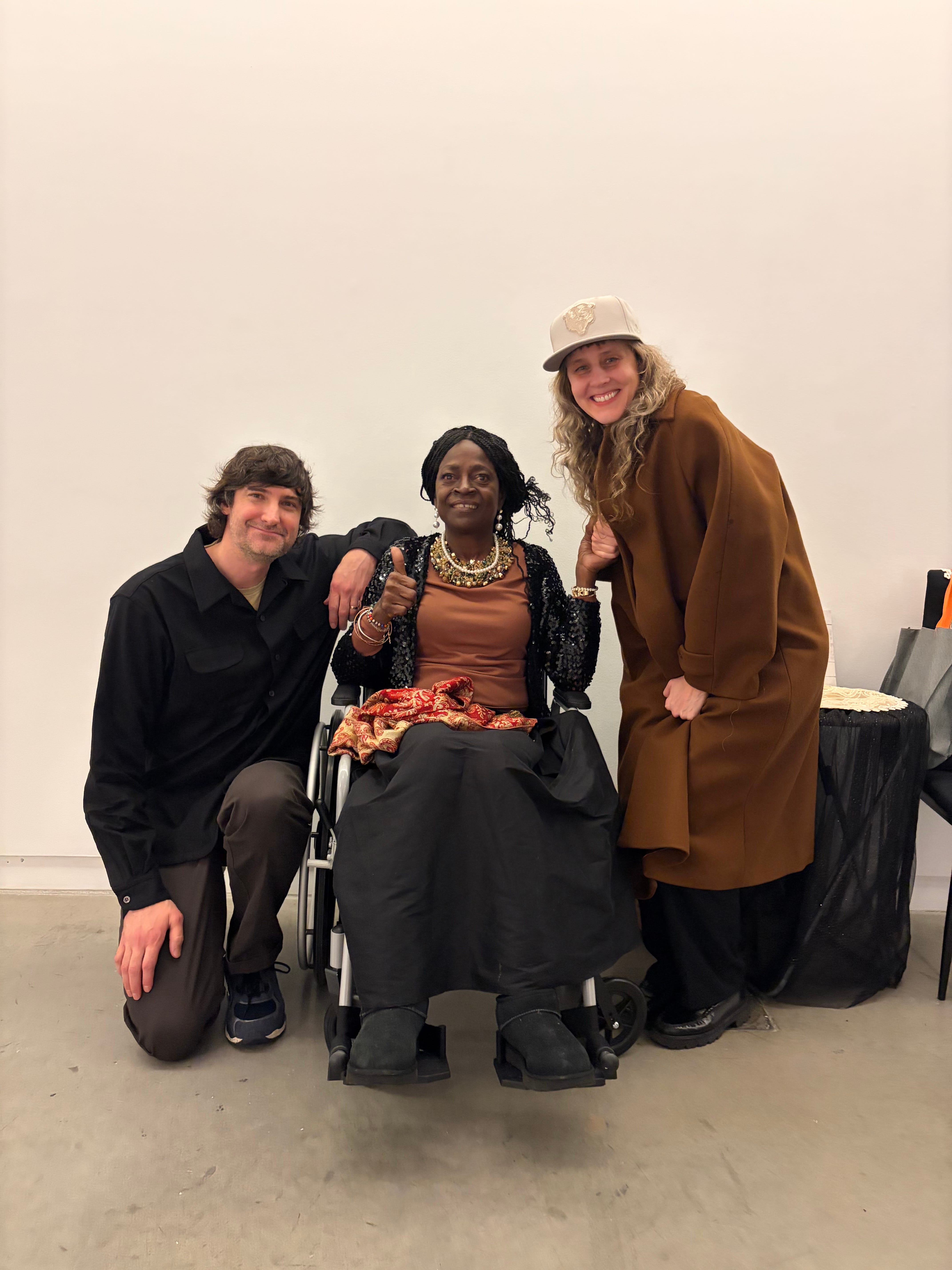
This weekend, I went to the closing reception for my friend Reverend Joyce McDonald’s work at the Bronx Museum. Joyce calls herself a testimonial artist. Her work is based purely on her lived experience—and what a life it has been. The results are a body of work that conveys her values: family, devotion, and grace. Her purpose with the clay is pure. When she creates, she speaks clearly, deeply connected to her own vision of the world she wants to be a part of.
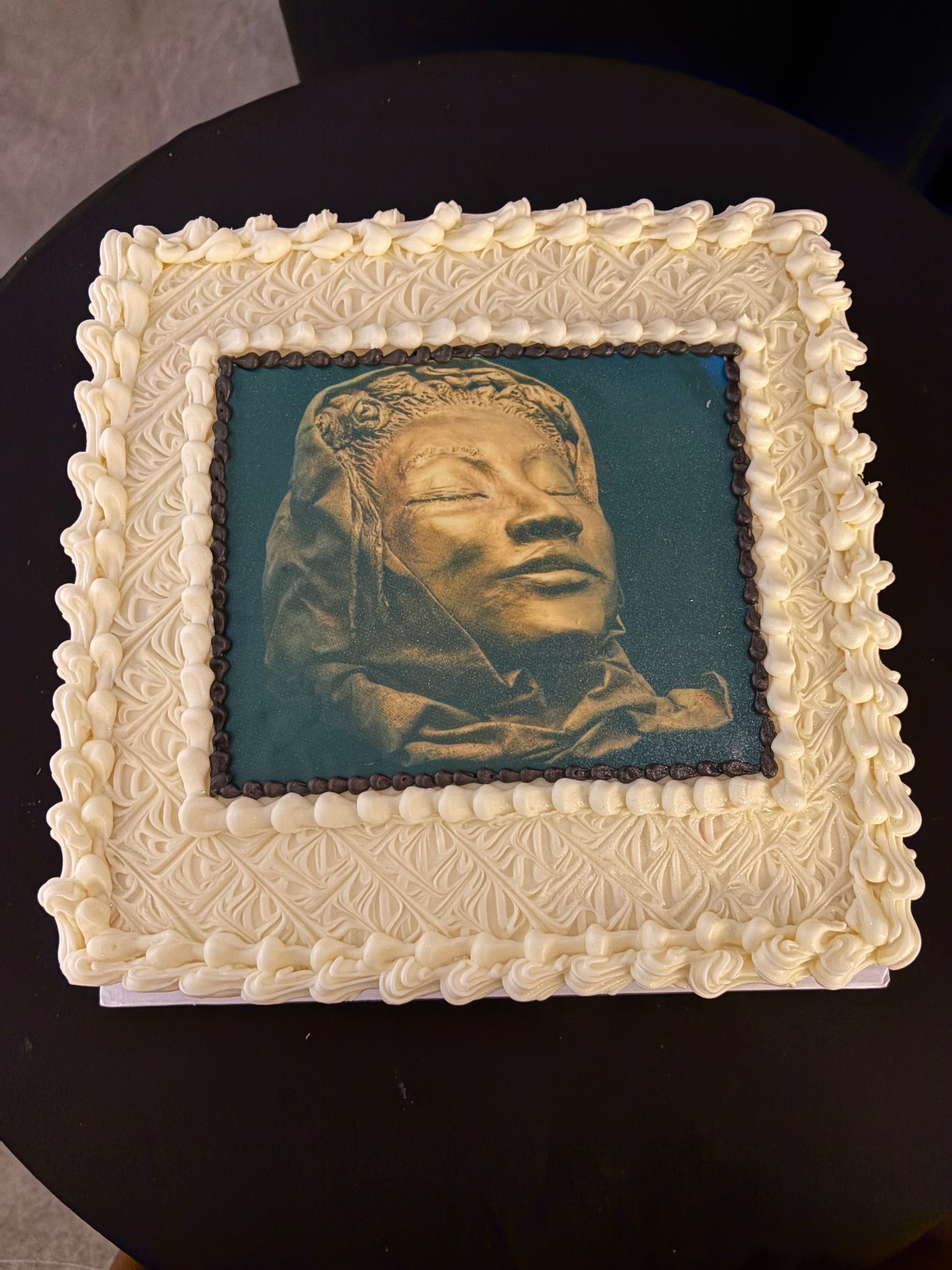
Joyce’s clarity didn’t come from a workshop or a business coach. It came from being radically honest about the specifics of her life: where she’s been, what she’s survived, what matters to her now. That specificity is what makes her work powerful. It’s also what makes it hers.
Most entrepreneurs I work with struggle not because they lack vision, values, or purpose, but because those things remain vague. “I want to help people.” “I value integrity.” “My purpose is to make a difference.” These aren’t compasses. They’re the fog.
The work is getting specific. Not borrowing someone else’s values from a LinkedIn post. Not adopting a vision because it sounds good. But doing what Joyce does: looking clearly at your lived experience and naming what’s actually true for you.
That’s what Pyramid is about: building the practice of specificity so your vision, values, and purpose can actually guide you. In the end, it isn’t the organization that propels you forward and allows your creativity to flow. It’s orientation. Without it, everything else dissolves into fog.