

Sam Darnold meet Richard Thaler
Workplace 2.0 Vol. 1, Ed. 4: Best Practices Are Biased

When people ask me about my football team affiliations, I like to say I’m a Bears fan by birth, Vikings fan by marriage, and Bills fan because Josh Allen is my boo. So this Super Bowl, I have to root for Sam Darnold. Last year, when the Vikings booted him after a poor postseason performance, citing a need to rebuild around the rookie they had invested in, it was easy to read between the lines. Darnold choked under the pressure, and they didn’t think he had it in him. They used the rebuilding narrative — it was, after all, a best practice.
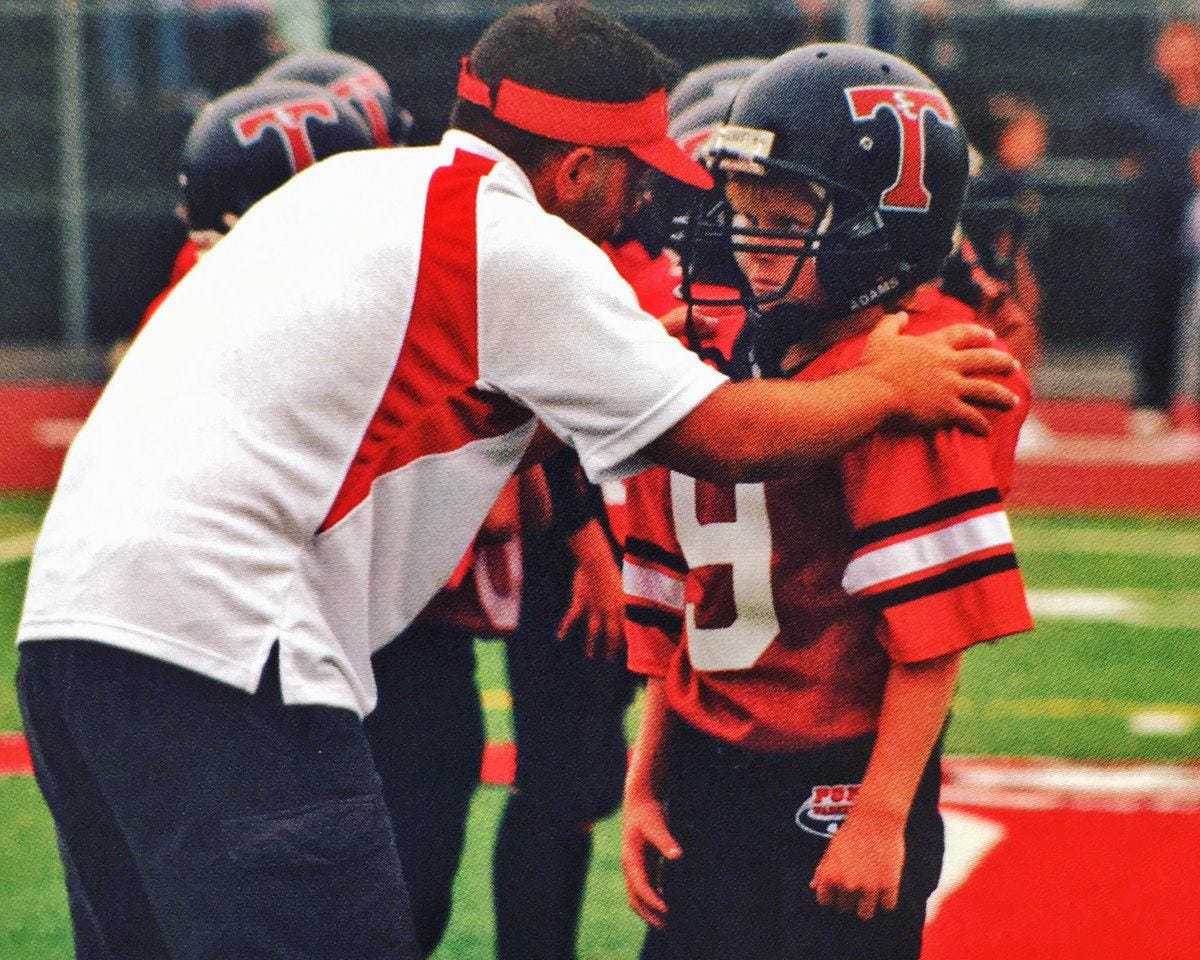
Someone recently told me they’re rethinking AI because it is biased (a comment I hear a lot). It makes me chuckle, not because they’re wrong, but because they think bias is an AI problem. Everyone is biased. I’m biased. Your peers are biased. That consultant who promised to remove bias from your processes? Especially biased.
A few years ago, there was a flood of HR software that claimed to “take the bias out of hiring.” Total scam. But companies bought them anyway, not because they worked, but because outsourcing to an algorithm felt safer. When things went wrong, you could say “the system decided.”
Software is biased because the humans who build the software are biased. Best practices are biased because the people who deem them best practices are biased. And here’s what everyone’s favorite Nobel Prize-winning economist Richard Thaler would tell you: bias isn’t a bug in human decision-making. It’s a feature.
Last week, I was teaching the culture module in the business growth program, and I always show this photo of Thaler to talk about behavioral economics:
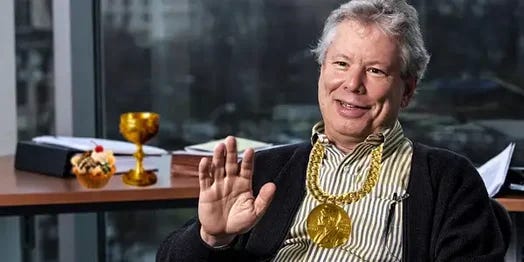
I teach Thaler early because a foundational grasp of behavioral economics is vital in entrepreneurship. We, it turns out, aren’t as rational as old men would like us to believe. Much of Thaler’s work centers on status quo bias and loss aversion: we choose familiar failure over unfamiliar success. (Thaler also just happened to be on Jon Stewart’s pod yesterday for a very funny and bit rambling conversation!)
This is why best practices are so comforting. They abdicate our responsibility for loss and keep us from the discomfort of imagining something new. We say we want to change the economy, capitalism, workplace practices, but we’re scared of stretching into unvalidated approaches. That is extremely Workplace 1.0. It’s why we never become the change we wish to see in the world. Instead, we wait for others to make that change first.
That’s the path the Vikings took in the winter of 2025.
The Vikings weren’t being irrational when they cut Sam Darnold. They were being human.
They chose the status quo: the established pattern that says playoff performance predicts future performance. The safe and defensible answer. The answer that meant if it didn’t work out, they could point to decades of data and say, “We followed best practices.”
But here’s the thing about status quo bias: it doesn’t feel like bias. It feels like analysis. It feels like being smart. The Vikings’ front office didn’t think they were making an emotional decision. They thought they were looking at the data, following the playbook, doing what successful franchises do.
That’s what makes status quo bias so insidious. It disguises itself as objectivity. The next time you’re about to follow a best practice, ask yourself: Am I optimizing for not being wrong? Or am I optimizing for being right?
Am I choosing this because it’s what worked before? Or because it’s what would work for ME?
Am I outsourcing my judgment to someone else’s playbook? Or am I trusting what I actually see and know could be possible even if it stretches my leadership?
Seattle asked different questions.
Not: “What does the data say about playoff chokers?”
But: “What do we see in THIS player?”
Not: “What would a championship team do?”
But: “What would work for US?”
The Vikings optimized for not being wrong. For looking legitimate. For having a defensible decision when it failed.
Seattle optimized for being right. For their context, for this player, for what they actually needed.
One approach follows the status quo. The other creates possibilities. That’s Workplace 2.0.
And now Sam Darnold is going to the Super Bowl. With the Seahawks.
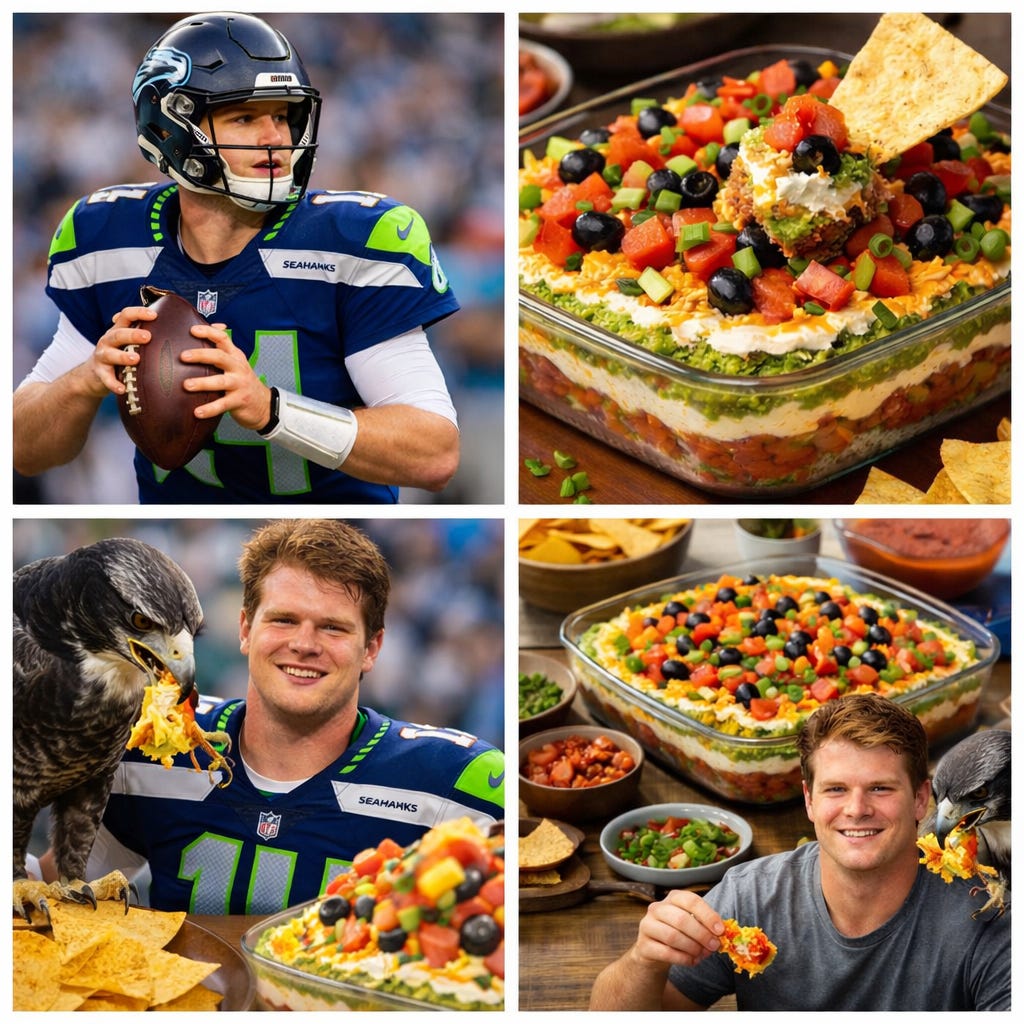
Tomorrow I will be announcing our February Workshop and a very exciting Substack Live! Stay tuned, make your taco dip, and go Seahawks!